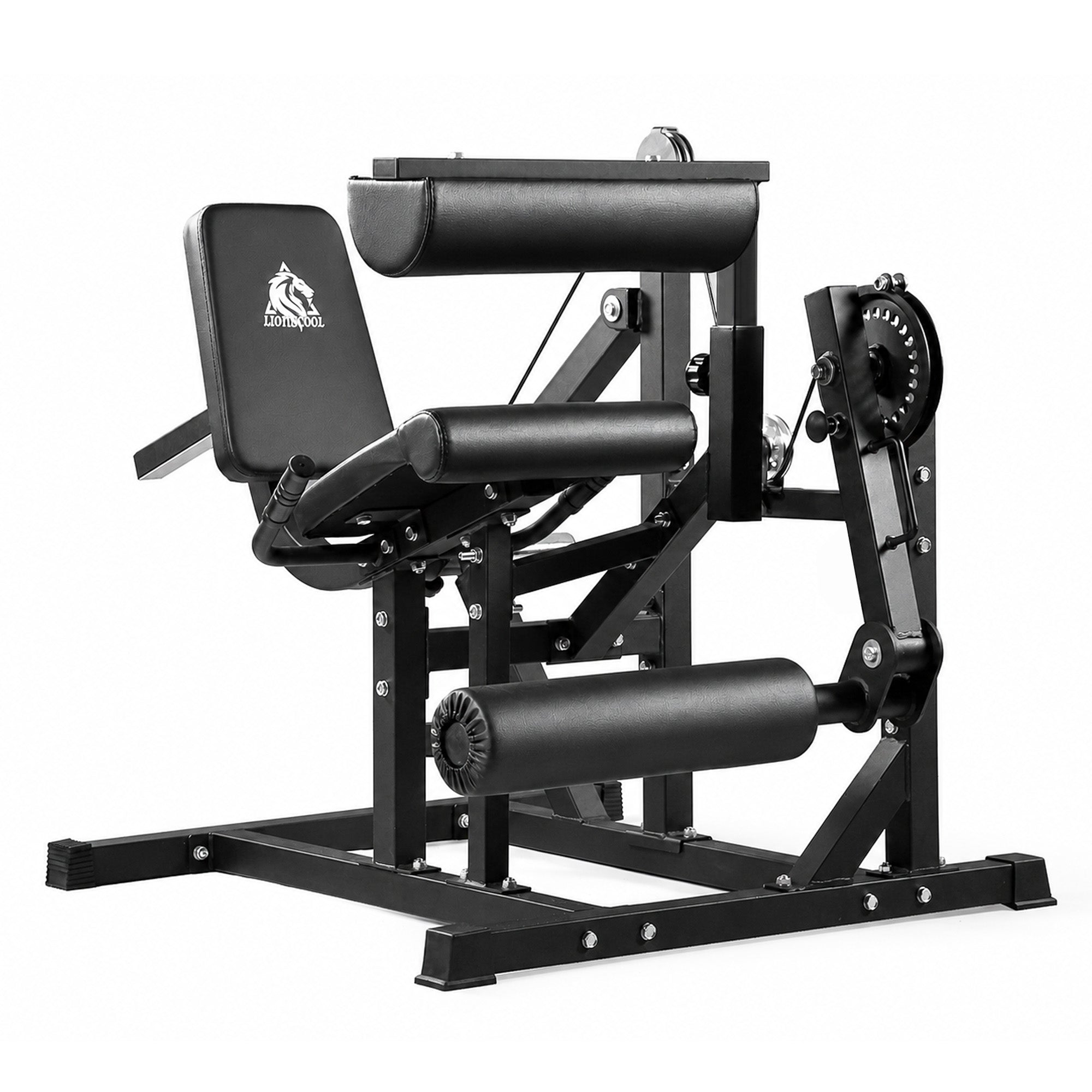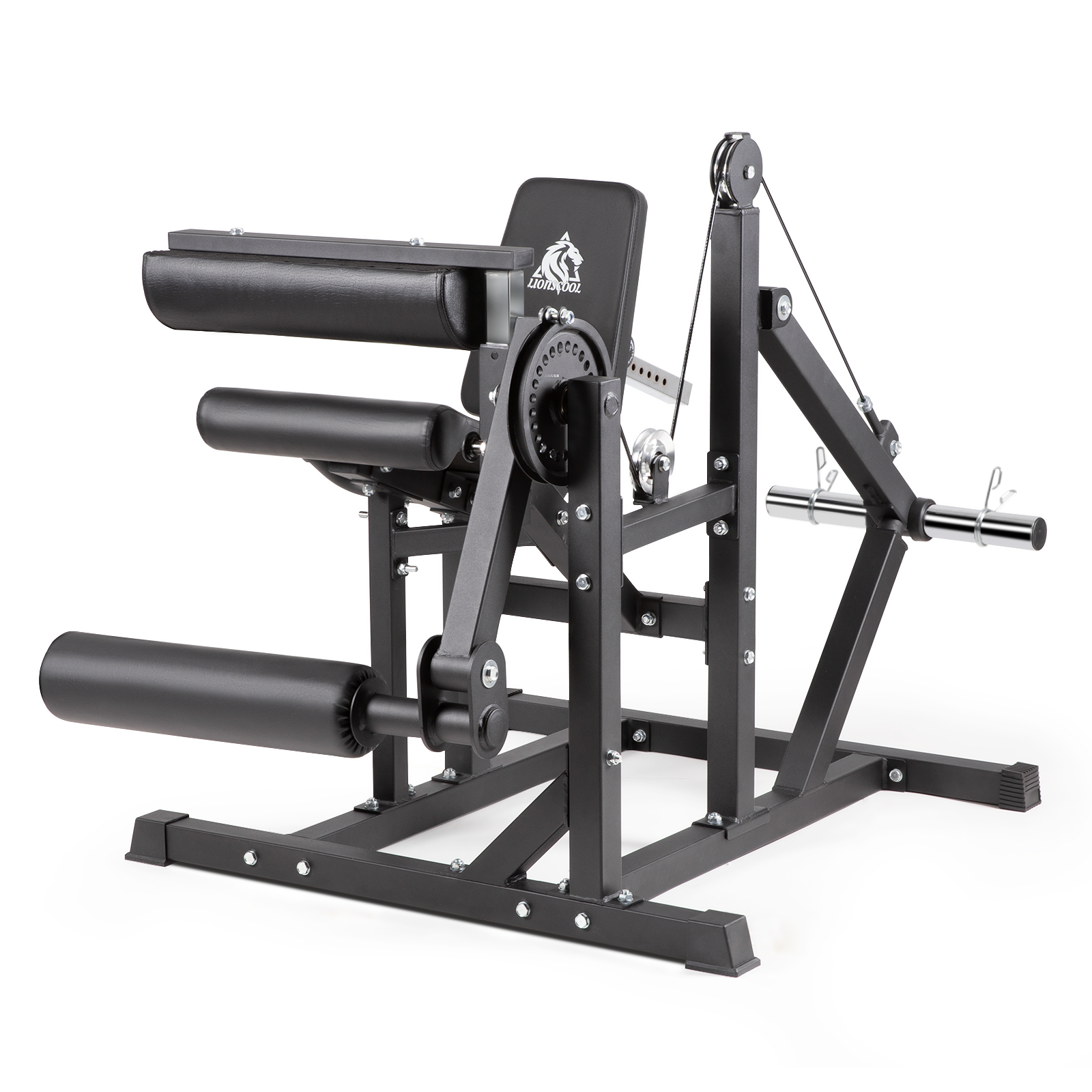

All right, my friend, let's talk about building some serious leg strength. Forget those big, clunky gym machines for a second. Today, I’m going to show you a fantastic, joint-friendly exercise: the Swiss Ball Leg Curl.
It looks simple, but trust me, it's a real game-changer. It hits your hamstrings and glutes like crazy, and because you're on an unstable ball, your core gets a fantastic workout too.

Why You've Got to Try This Move
- It's a Hamstring and Glute Builder: If you want to build strong, toned legs and a firmer backside, this move is a secret weapon.
- Balance and Core Strength: The shaky ball forces your core to work overtime to keep you stable. It’s a much more dynamic way to train your abs than just doing a plank.
- Easy on the Knees: If you have knee issues or find machine leg curls too intense, this low-impact exercise is a perfect alternative.
- Super Functional: The strength you build here carries over into real life, making everyday activities like running, climbing stairs, or even just carrying groceries feel easier.
Step-by-Step: How to Do It Right

The secret to this exercise is doing it slowly and with control. Follow these steps, and you'll get the form down perfectly.
Get in Position
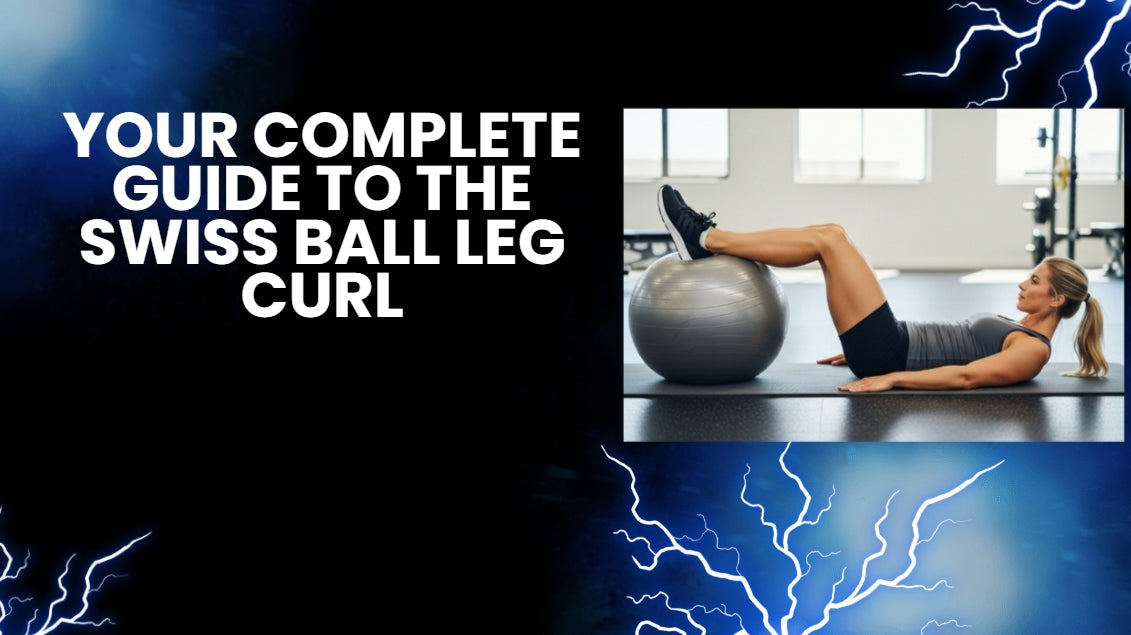
- Lie on your back on a mat, and place your heels and lower calves on top of the Swiss ball.
- Put your arms by your sides with your palms down. They’ll help you balance.
The Move
- Lift Up: Brace your core and glutes, and lift your hips off the floor. Your body should form a straight line from your shoulders to your knees. Don't let your lower back arch or your hips sag. This is your starting position.
- Curl the Ball In: Keeping your hips up high, use the power of your heels to pull the ball in toward your butt. Keep pulling until your calves are nearly straight up and down. You should feel a powerful squeeze in your hamstrings.
- Roll Back Out: Slowly and with control, push the ball back to the starting position.
Keep repeating this motion, focusing on the muscle working with every single rep.
A Few Common Mistakes to Avoid
I’ve seen a lot of people mess this up, so pay attention to these common errors:
- Hips Dropping: This is the most common mistake. If your hips sag, you’re not targeting your hamstrings, and you’ll put a lot of strain on your lower back. Keep those hips lifted the entire time!
- Going Too Fast: Rushing through the reps means your muscles aren't doing the work. Slow it down. Feel the burn.
- Feeling It in Your Lower Back: If your lower back is getting sore, it’s a sign you’re not engaging your core and glutes properly. Focus on pulling your belly button in toward your spine to keep your back flat and safe.
Ready for a Challenge?

Once the basic move feels easy, try these progressions to take it up a notch:
- More Reps: Increase your sets or repetitions.
- Single-Leg Curls: This is a big jump in difficulty. Lift one leg off the ball and do the move with just one leg at a time. This will seriously challenge your strength and core stability.
- Add a Resistance Band: Place a loop resistance band just above your knees. This will add extra resistance and really fire up your glutes.
- Add Weight: For experienced lifters, place a dumbbell or weight plate on your belly to add more resistance.
Have you tried this move before? What other hamstring exercises do you like?
Frequently Asked Questions (FAQ)
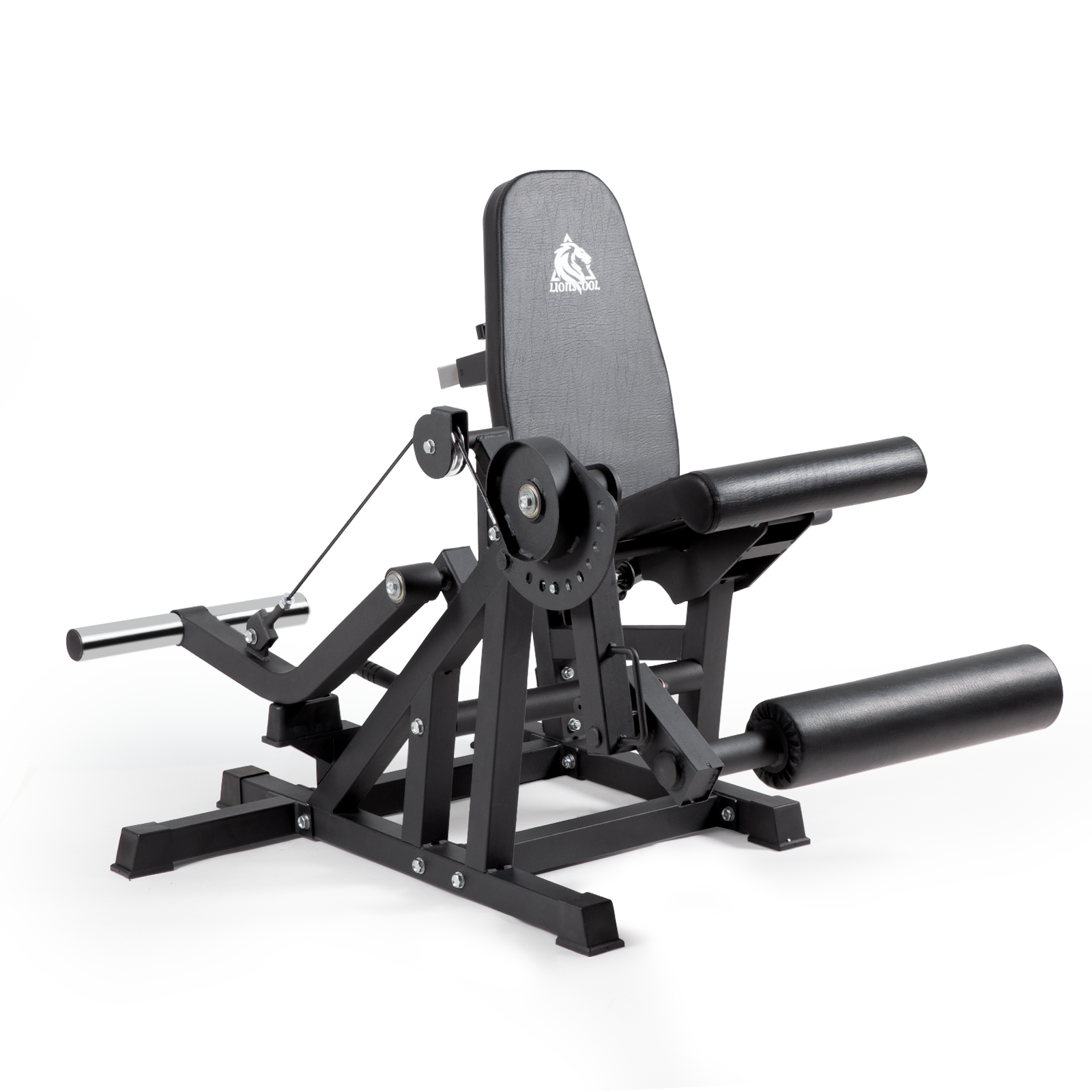
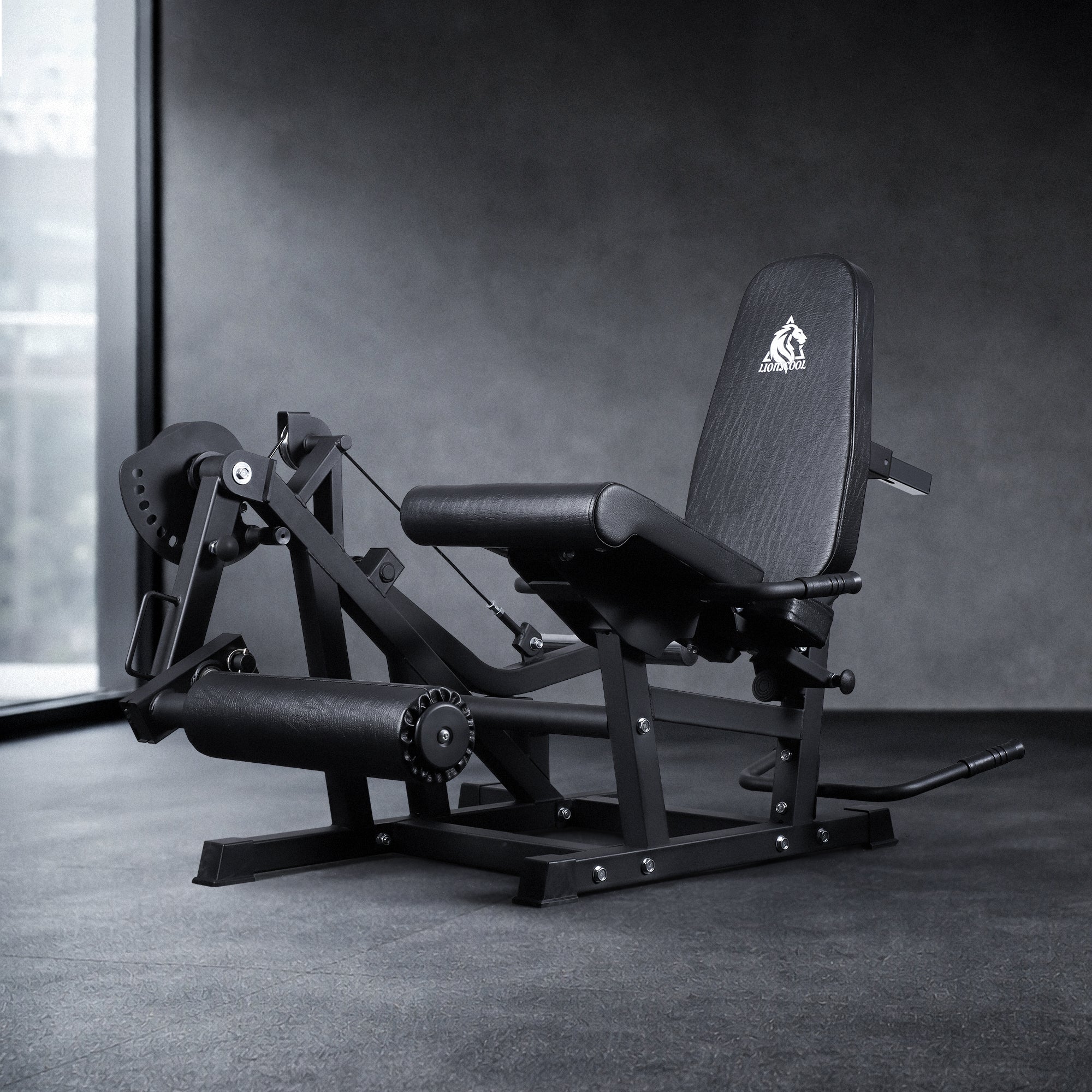
Q: Can Swiss Ball Leg Curls replace the machine? A: They both have their place. The Swiss ball version is great for stability and is easier on your joints, while the machine allows for heavier loads and more isolated work. They can be used to complement each other in your routine.
Q: What size Swiss ball should I use? A: Generally, a 55cm ball is good for people who are 5'3" to 5'9", and a 65cm ball is best for those taller than 5'9". The most important thing is that when you're in the starting position, your body feels stable and your legs can comfortably rest on the ball.
Q: Why don't I feel this in my hamstrings? A: Make sure you are actively pulling the ball in with your heels, not just pushing with your calves. Try to pause for a second or two at the top of the movement to really feel that muscle contraction.